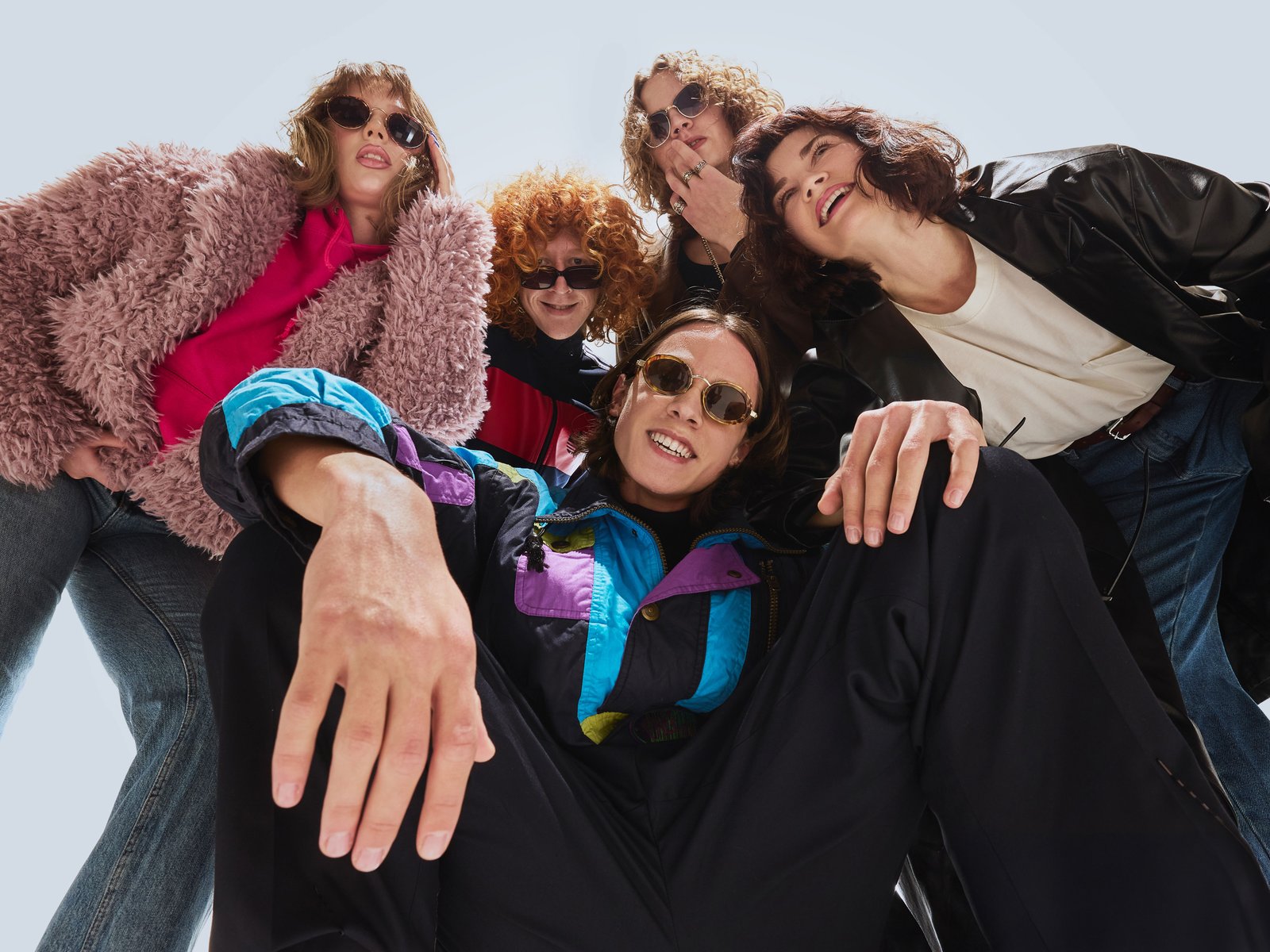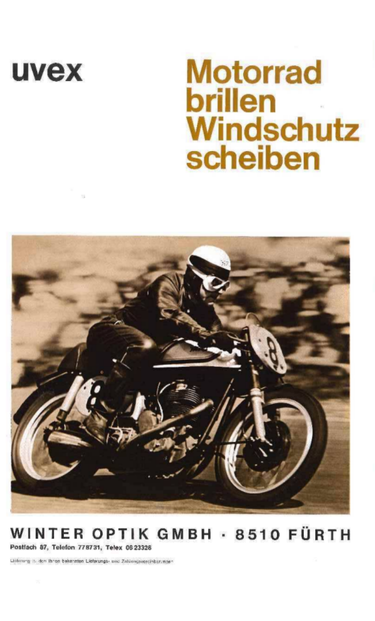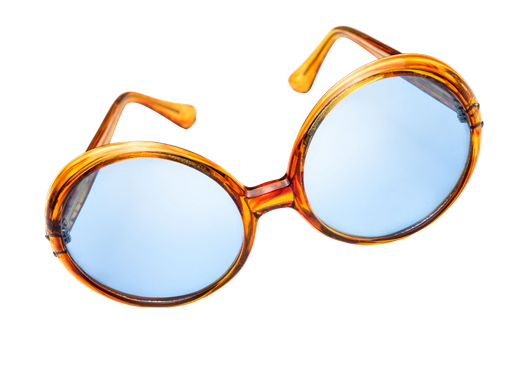
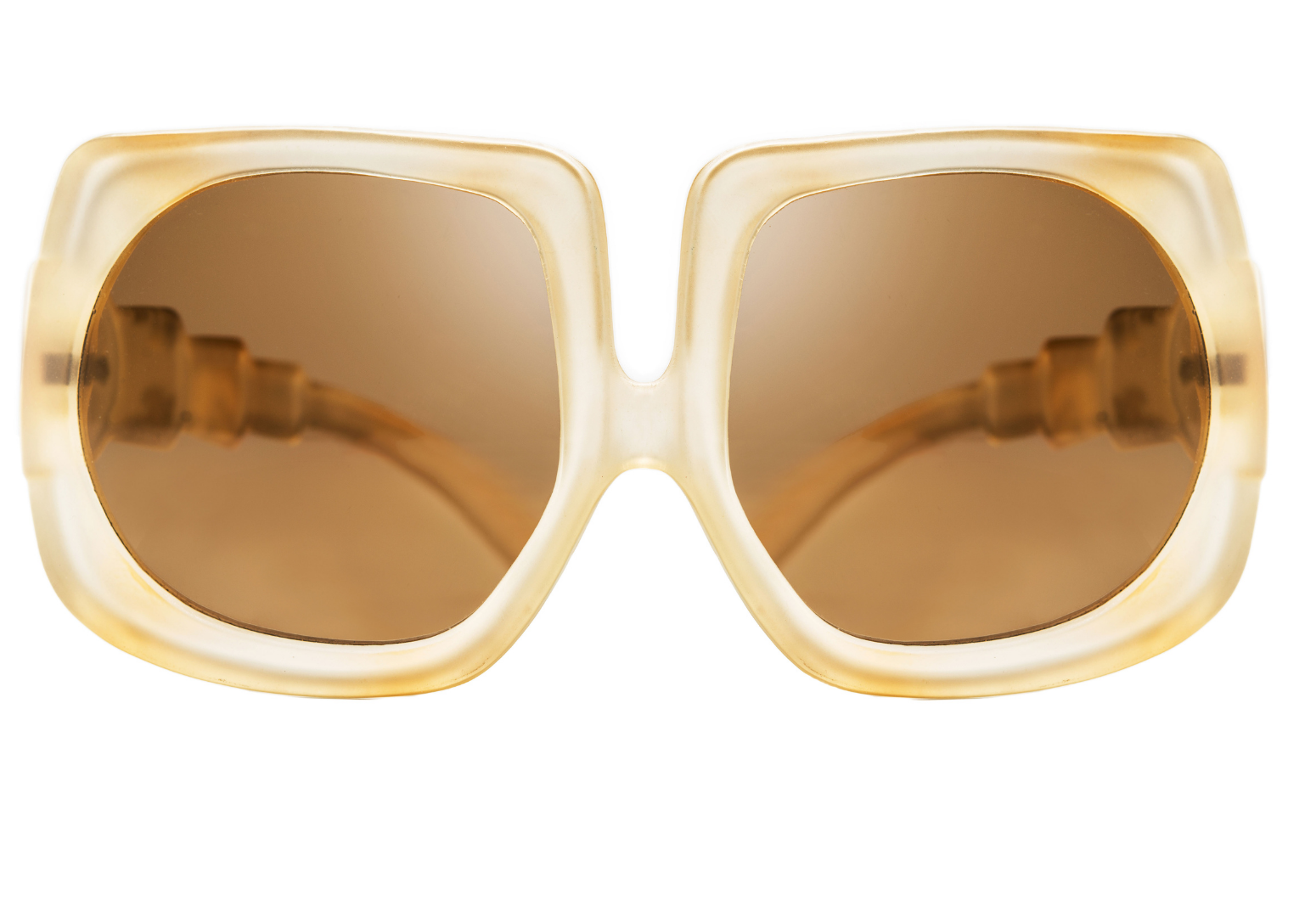
Films such as Rocky and Jaws were showing in cinemas, companies like Apple and Microsoft were founded, and the compulsory use of seat belts for cars—based on the American model—was introduced in Europe. Oil price crises shaped the decade, while punk and disco conquered the music world. The 1970s were a time of upheaval and change. They also remain unforgettable in terms of fashion, with flared trousers and oversized sunglasses. And Filtral? The brand did not yet exist in its current form, but the glasses were already on the market. They were sold to the mass market under the name uvex Winter Optik GmbH. The models were grouped into fashionable theme worlds such as Maxi, City, Party and Partner Looks. Masculinity, in particular, was strongly emphasised. “Masculine-dynamic: a sunglasses flirt, with the super-masculine, charming sunglasses type from uvex. Confidently victorious, he usually wears high-quality uvex metal glasses with specially hardened safety lenses,” reads an excerpt from a 1972 catalogue.
At the time, men were portrayed casually with a cigarette in their mouths—unthinkable today. What has not changed, however, is the awareness of quality. Even in the 1970s, the proven uvex eye protection lens for the highest demands was promoted. Filtral—then still uvex—won over customers and end consumers with its high-quality products and claims such as “optically ground quality lens, gentle on the eyes and ultraviolet-safe.
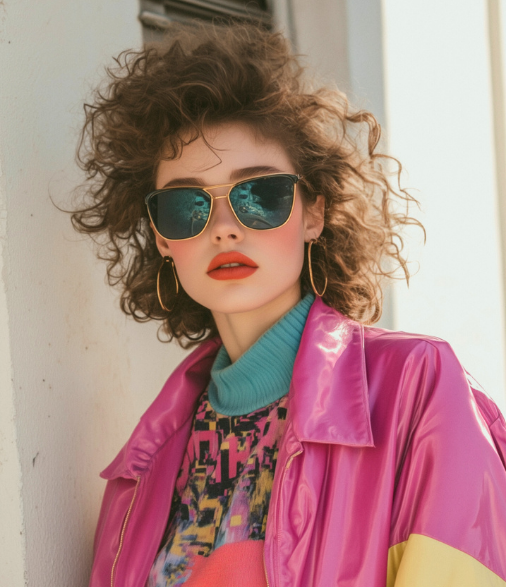
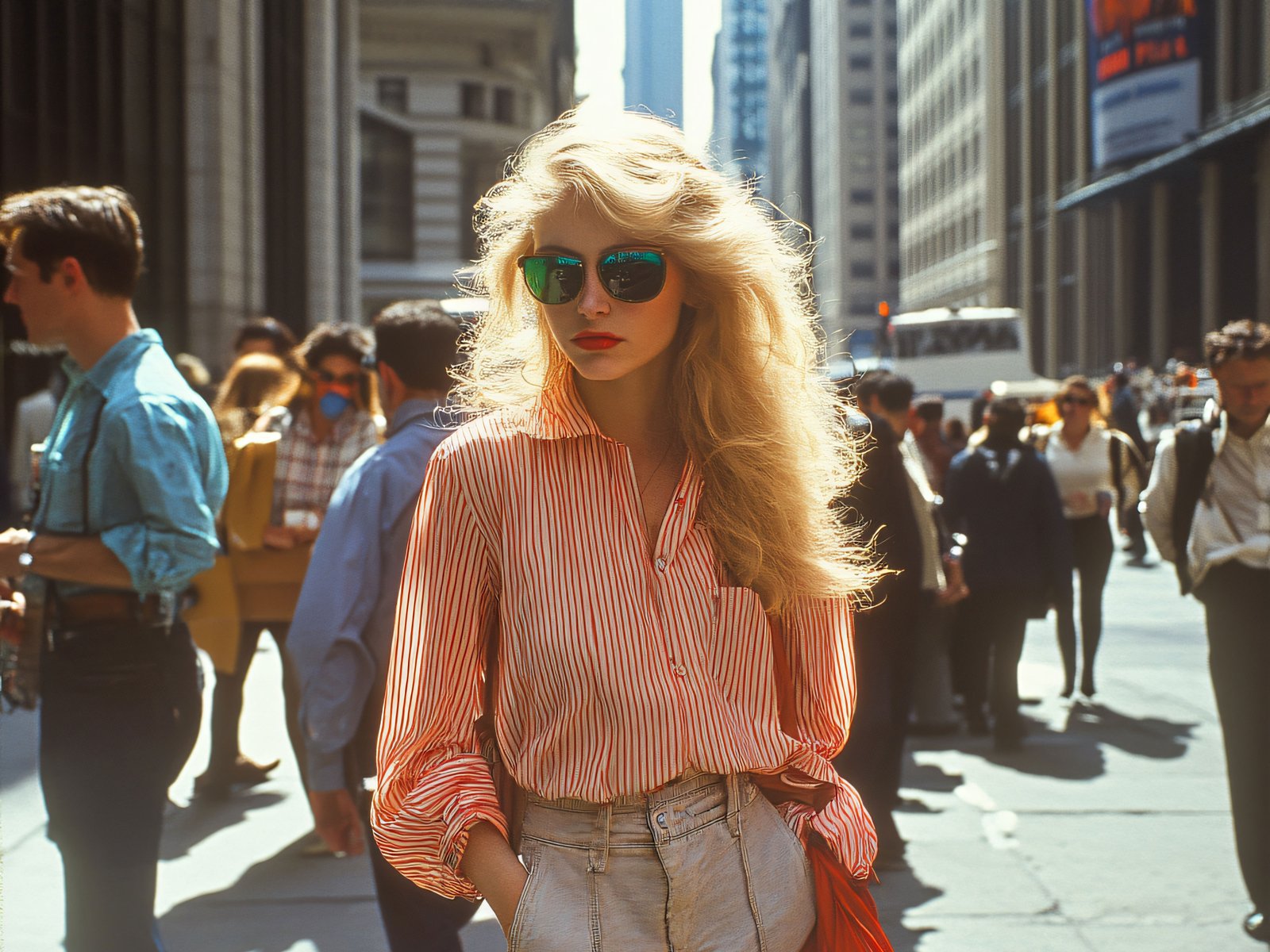
In the 1980s, Filtral did not yet exist as an independent company. It was integrated within uvex in the “Sport and Leisure” division on Siemensstraße. At the beginning of the decade, the Filtral brand still appeared with the addition “by uvex”. The sunglasses were as eye-catching as the fashion itself: large, colourful and bold. Pilot sunglasses became bestsellers, and the film Top Gun set new standards in eyewear fashion. Models such as “Blake Carrington” and “Krystle Carrington” were also extremely popular. For these, Filtral secured the “Denver Clan” licence—alongside Dallas, the cult TV series of the 1980s. The emerging music video culture also influenced eyewear trends. In Germany, programmes such as Formel 1 aired the latest video clips alongside the charts. In this environment, Filtral celebrated major sales successes with the “Disco Dancing” eyewear series.
Colourful, loud, multifaceted and inspiring—that was the 1980s. For Filtral as well.
Moped, Walkman, Coca-Cola …
… and a fashionable pair of Filtral sunglasses. That was all you needed in the 1980s to be perfectly equipped for the tennis court, the school playground or meeting up with friends.
In cinemas, millions watched Forrest Gump, Pretty Woman and Fight Club. At the end of the decade, audiences around the world cried as the Titanic sank. During the 1990s, computers became affordable for private households, and by the end of the decade, SMS communication was possible thanks to the widespread use of mobile phones. Not to mention the internet, which has since become indispensable. The 1990s also brought major changes for Filtral. In 1991, Filtral GmbH & Co. Vertriebs KG was founded, and in 1992 a building specifically constructed for Filtral was occupied in Burgfarrnbach. “Filtral – the Sunshine Company” became the slogan of the decade, as sunglasses and accessories were complemented by sun care cosmetics. Marketing activities even included a TV commercial. Blockbusters once again played a key role in shaping eyewear fashion. Following the global success of Terminator, Filtral launched the Terminator 2 sunglasses in 1991. Licences played an important role throughout the decade. In August 1992, the sports programme “ran” was broadcast for the first time, and shortly afterwards a series of ran sports glasses was launched.
The portfolio also included Playboy sunglasses for women and men, as well as children’s eyewear featuring motifs from DuckTales, Maya the Bee and Pumuckl.