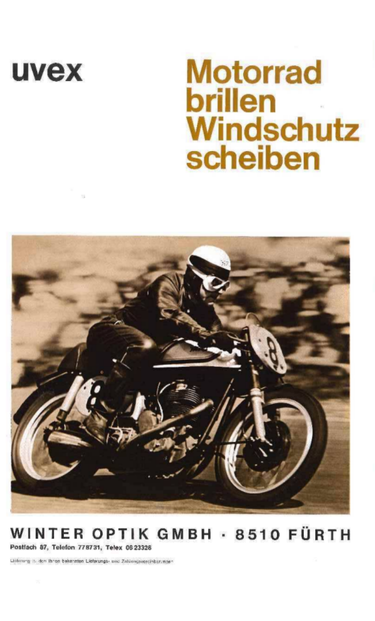
In 1964 the first catalogue for the motorsport segment was published – at that time still under the Winter brand. The range extended from racing goggles and full-vision goggles to windscreens. The latter were intended for scooters and, thanks to favourable airflow, ensured draught-free riding and clear vision in rain and snow.
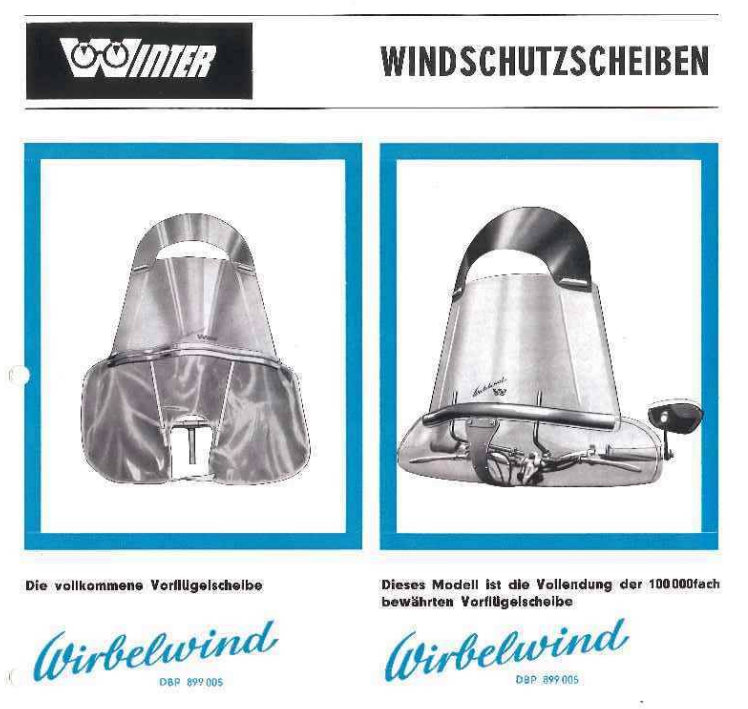
The emerging popularity of the new full-face helmets in the 1970s made the windscreens previously produced increasingly unnecessary. uvex’s entry into the protective helmet business proved to be an essential product diversification.
Alongside protective helmets, the focus from 1971 onwards was mainly on motorcycle goggles. Synergies with winter sports could be seen in the names of the goggles. Models such as the uvex downhill 2000 or the uvex champion were also used in motorsport.
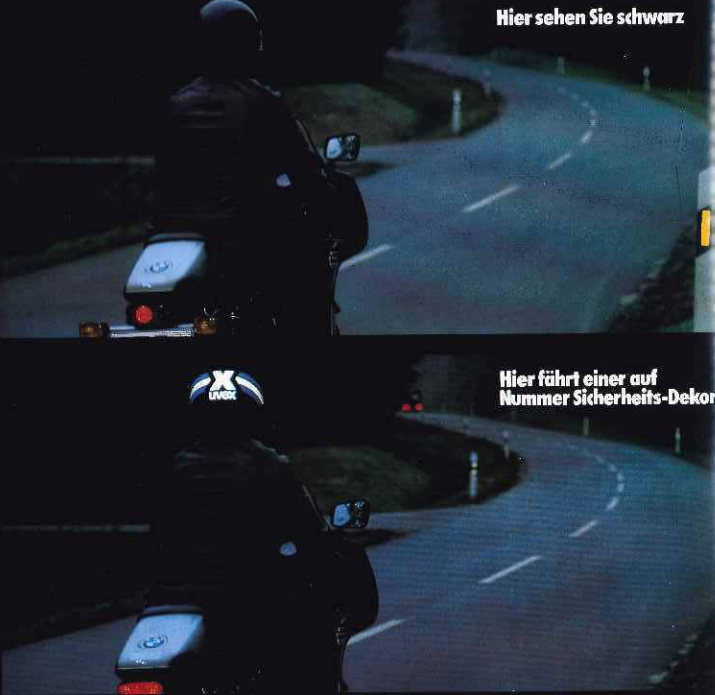
From 1978, all uvex helmets were available with reflective safety decoration. The names of the helmets were inspired by major motorsport races – for example, the uvex Le Mans, Noris or Nürburg helmets were part of the range
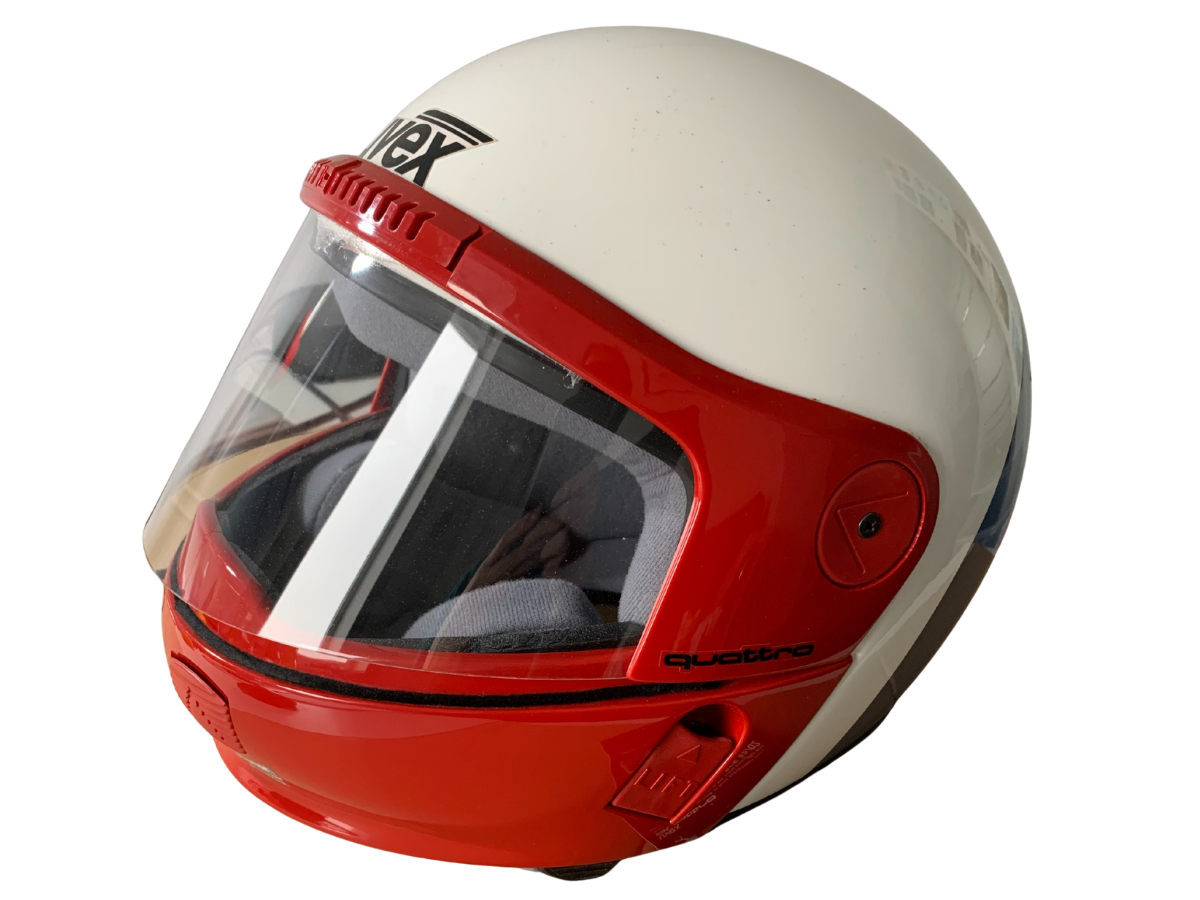
The uvex quattro impressed with a two-tone painted fibreglass helmet shell and a split polycarbonate chin bar that made putting on and taking off easier – ideal of wearers of glasses. A wind deflector system reduced riding noise, while the anti-fog coated visor and the adjustable ventilation system ensured clear vision at all times.
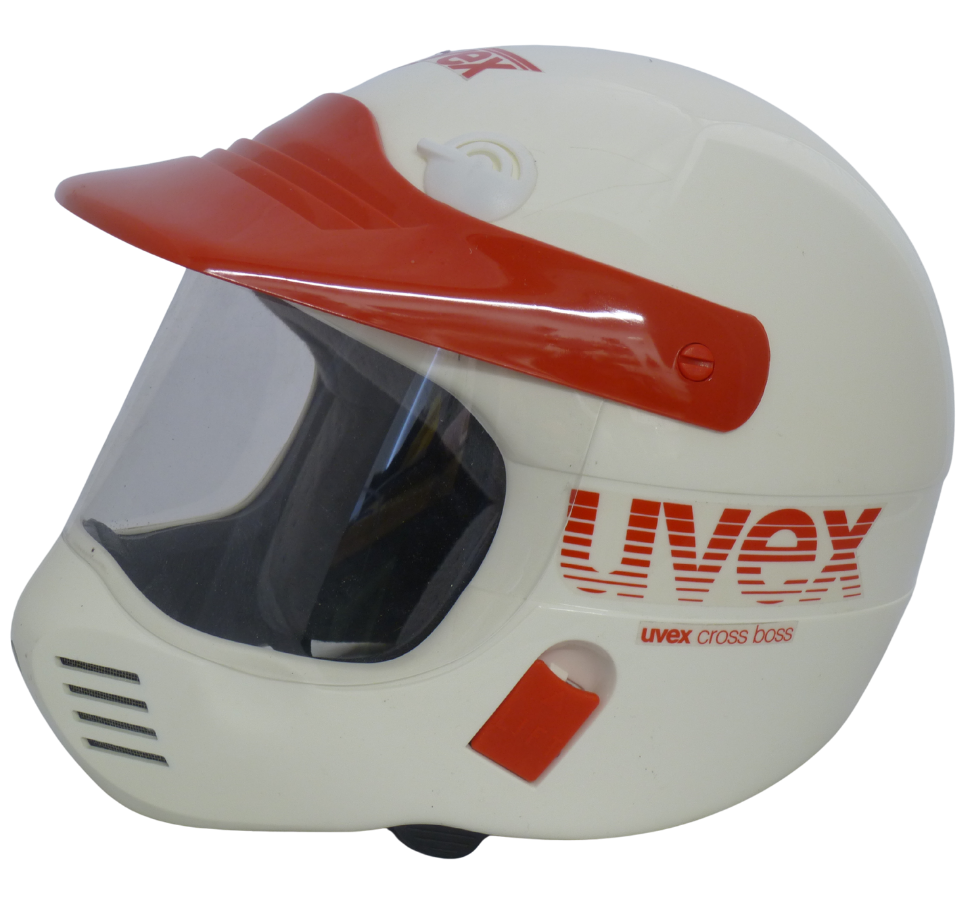
The uvex boss helmet family proved to be an absolute bestseller. The uvex boss became the company’s best-selling helmet with a double-visor system. The boss helmet family included models such as the uvex sport boss and the uvex cross boss. The latter combined robust safety technology with a high level of wearing comfort. The 4.2 mm thick PC helmet shell and the impact-absorbing Styrofoam inner shell with ventilation channels guaranteed optimal protection and efficient ventilation.
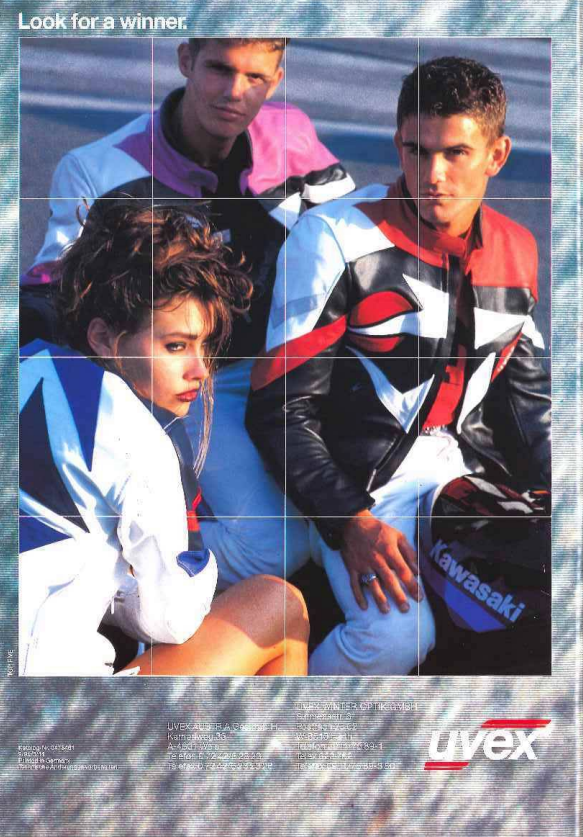
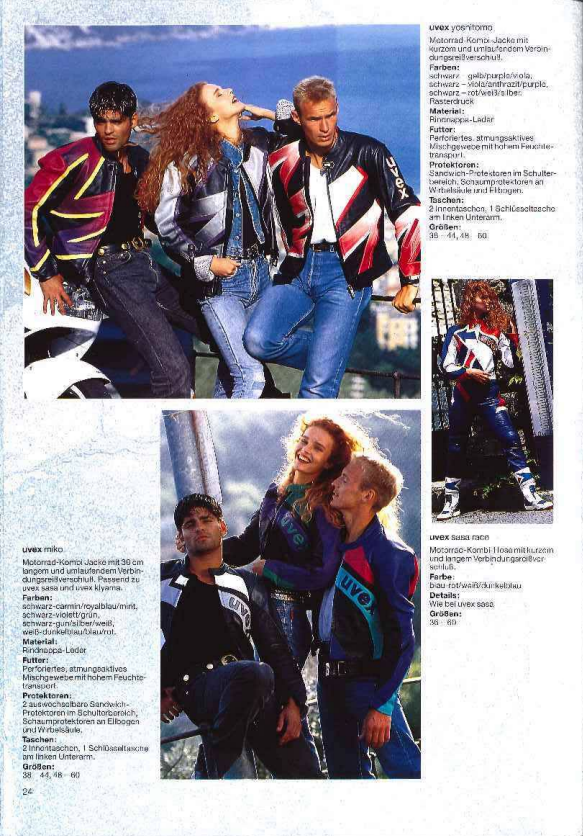
In the 1990s, a wide range of protective clothing was produced specifically for motorsport. The design was right on trend – mostly flashy and colourful, always in leather.
Towards the end of the 2000s, carbon was also used in motorsport. The super anti-fog supravision nano visor technology was introduced – a further development of the proven supravision technology. The new lens technology was water-, dirt-, oil- and grease-repellent and at the same time resistant to staining.
The uvex helix rs 750 carbon stood out above all in terms of safety – in 2008, the ADAC awarded it the best crash protection of all helmets tested.
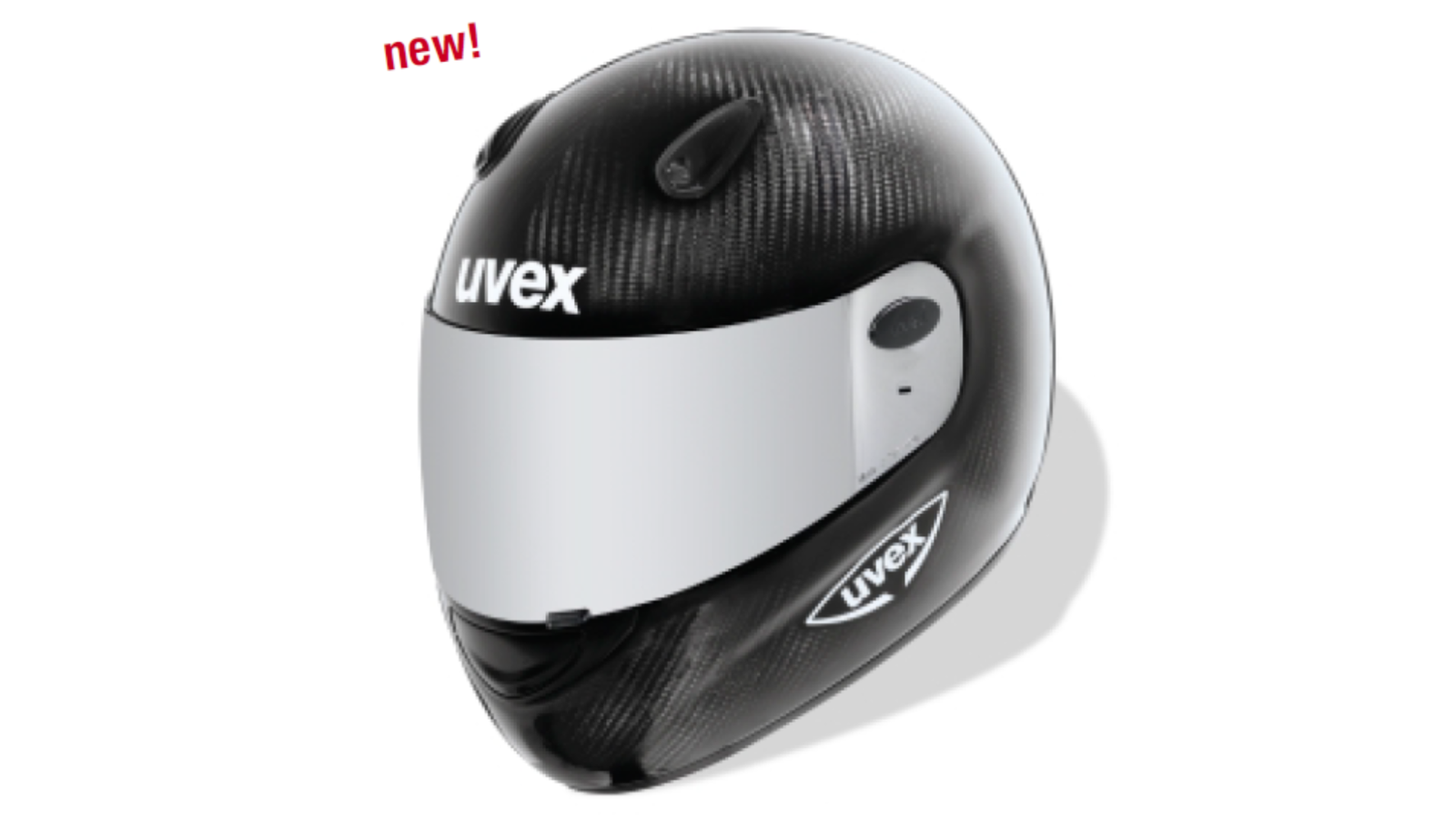
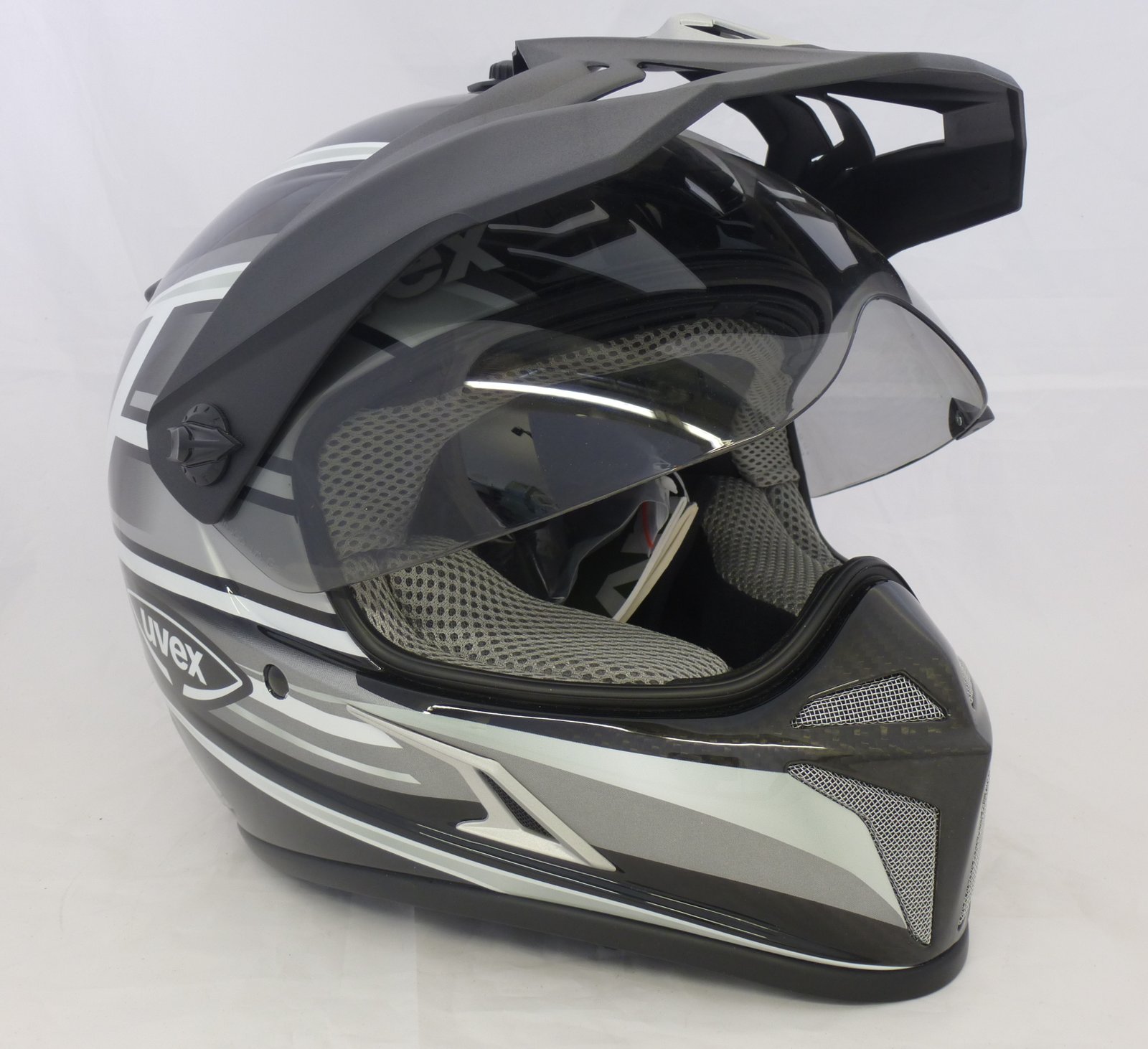
In 2009, uvex relied on carbon material for racing helmets. The advantage: the helmets were super lightweight while offering the highest level of protection.
Onyx highlight: three shell sizes, with the smallest weighing just 950 grams. An average helmet weighed around 1,400 grams.
At the end of the 2011 season, uvex withdrew from motorcycle sport – in 2013, the active period in motorsport came to an end. In the long term, no sustainably positive future prospects could be identified. The reasons were declining market attractiveness and a sharply shrinking target group.