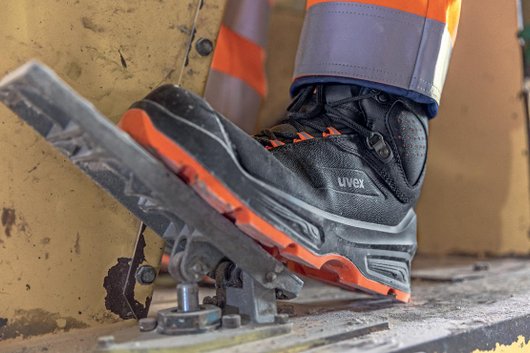
What began in 1974 with a small collection of three models under the “Winter” brand has now developed into a key pillar of uvex, with operations all over the world.
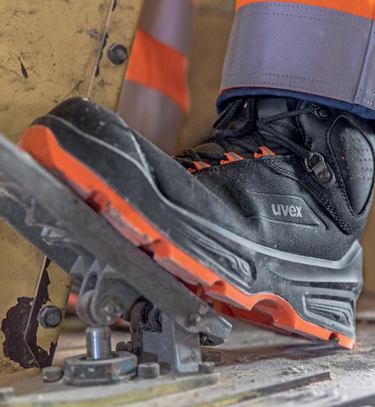
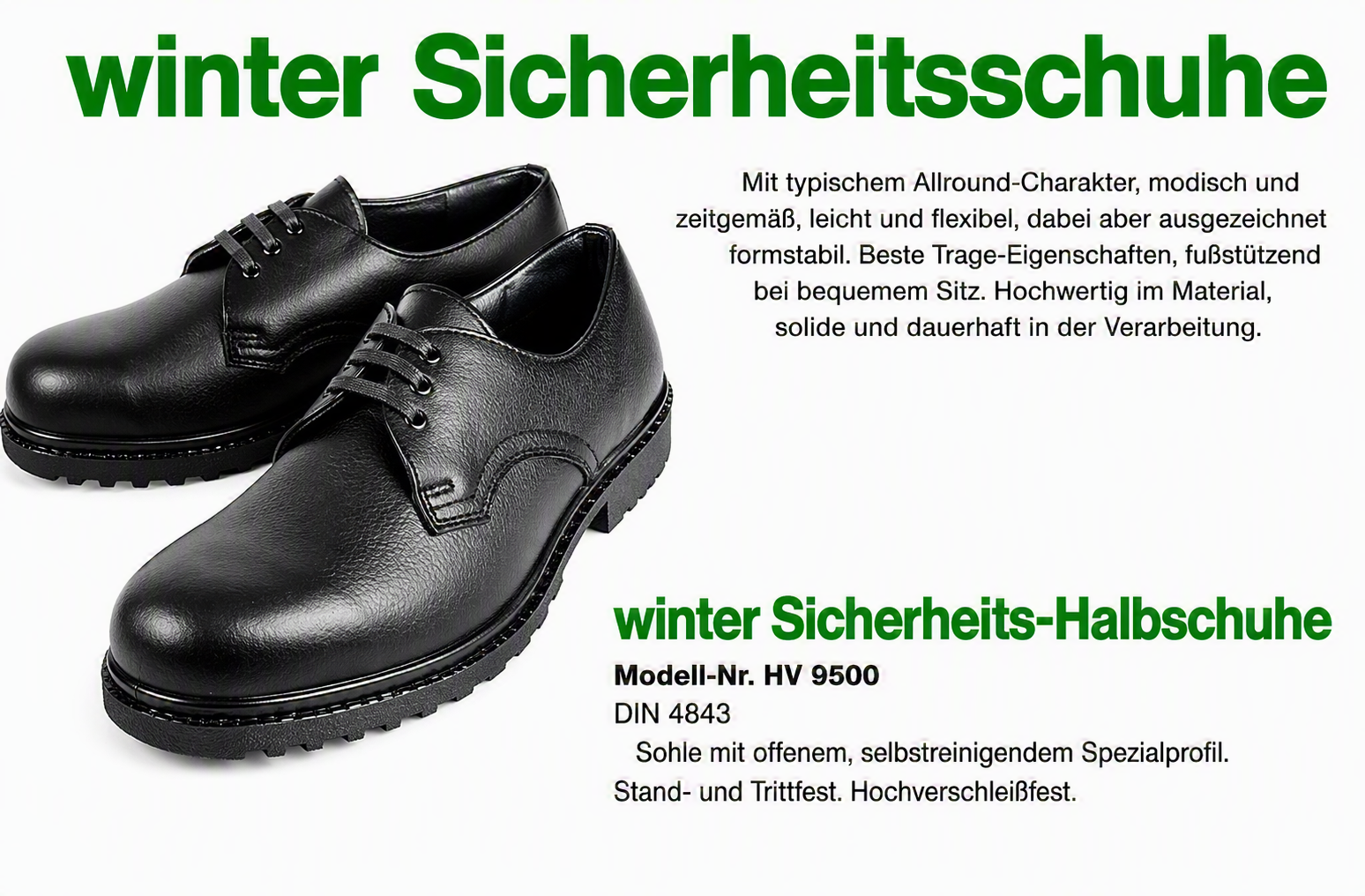
One of the first shoe models dates back to 1974: the HV 9500. The first collection of Winter safety shoes was certified to DIN 4843 and featured a leather upper and lining, a steel toe cap and a vulcanised rubber outsole. In the early 1980s, uvex was then also used as a brand for footwear. What began with just three shoe models developed into a wide-ranging collection featuring various shoe types in protection categories S1 to S3 – fitted with a range of polyurethane and rubber outsoles.
In 1987, the uvex Cagi shoe factory in Ceva, Italy, was acquired and subsequently expanded into a centre of excellence for the production of uvex safety footwear.
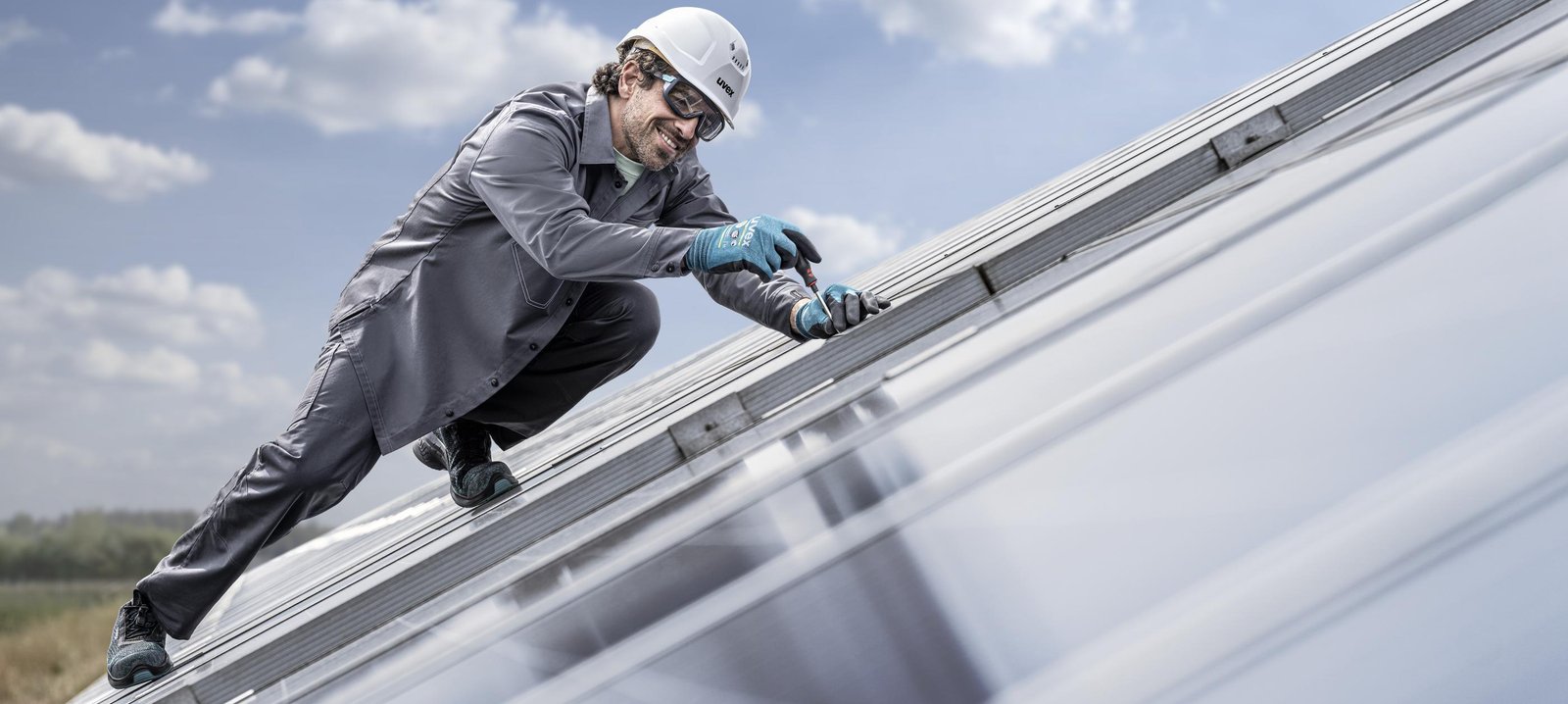
The uvex active 8508 was part of a new generation of uvex safety shoes with a contemporary design. A key milestone was the introduction of the uvex hydroflex® cushioning system. Furthermore, this safety shoe is characterised by its two-layer outsole made from directly foamed polyurethane or a rubber outsole with a foamed polyurethane midsole.
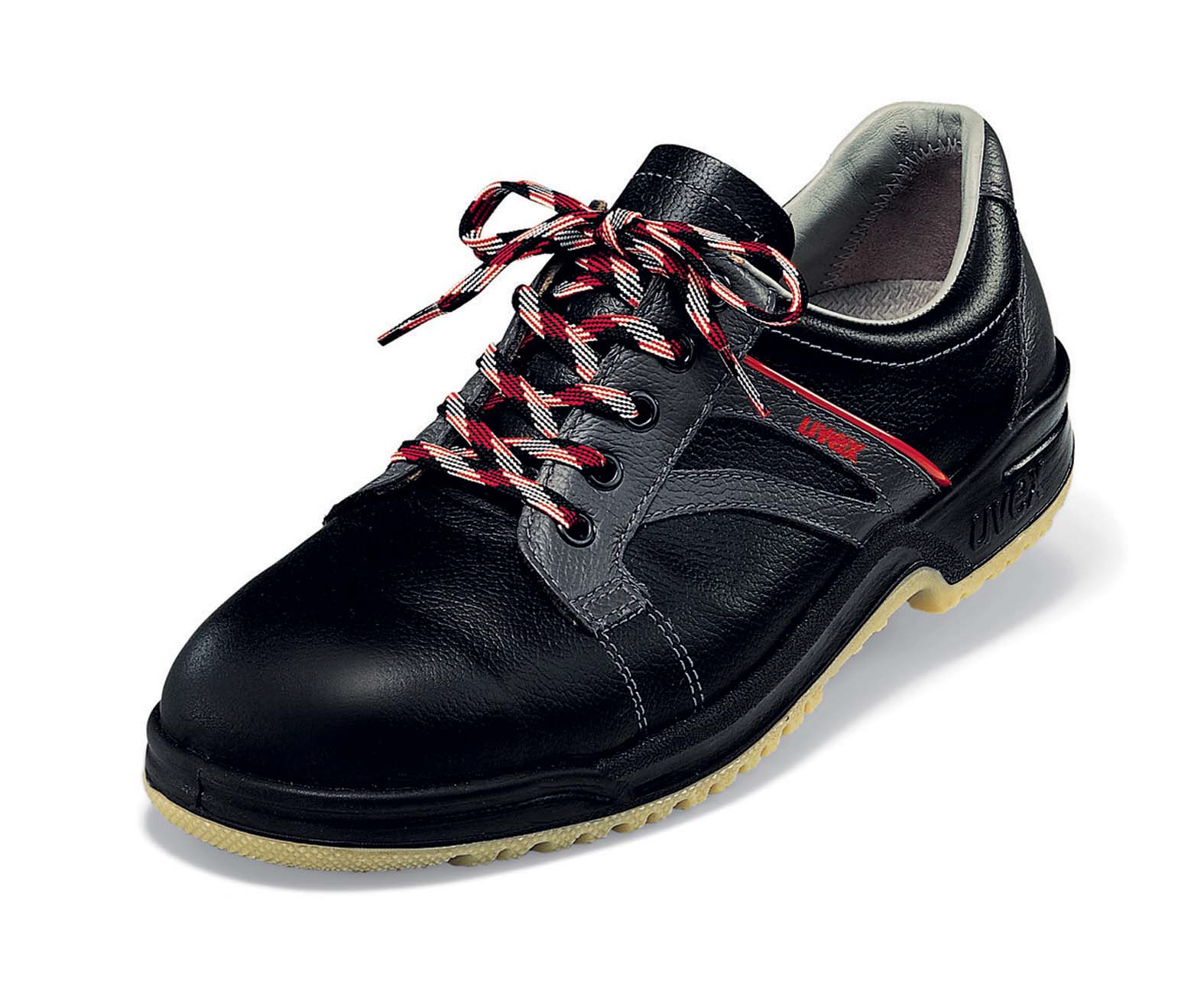
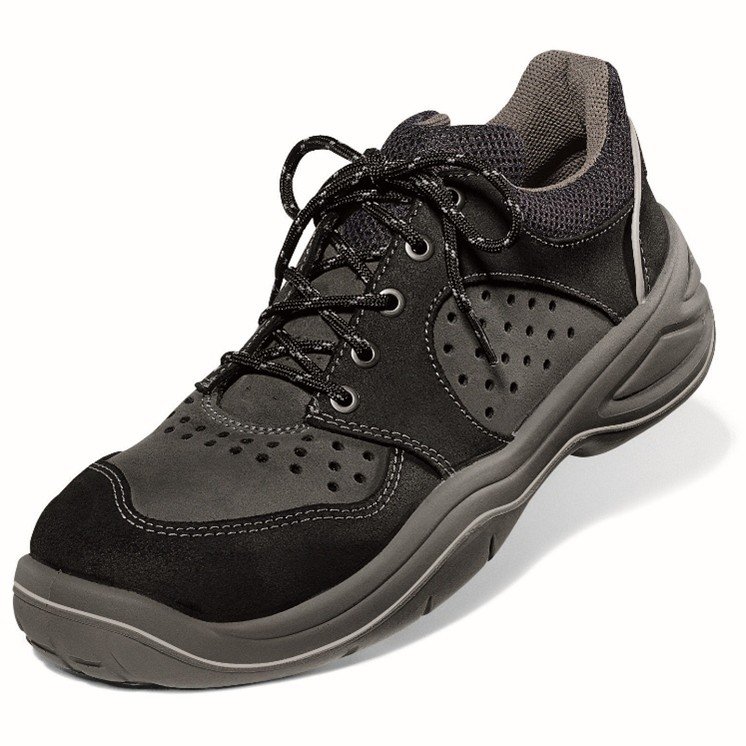
New, modular footwear ranges created by combining different sole materials in a single mould. Developed in collaboration with the automotive industry, the footwear is produced without the use of silicone. It was also during this period that uvex manufactured its first safety shoes with ESD certification.
With this new product range, uvex started in the era of plastic toe-cap technology, which has now become indispensable. The models are becoming lighter and increasingly sporty.
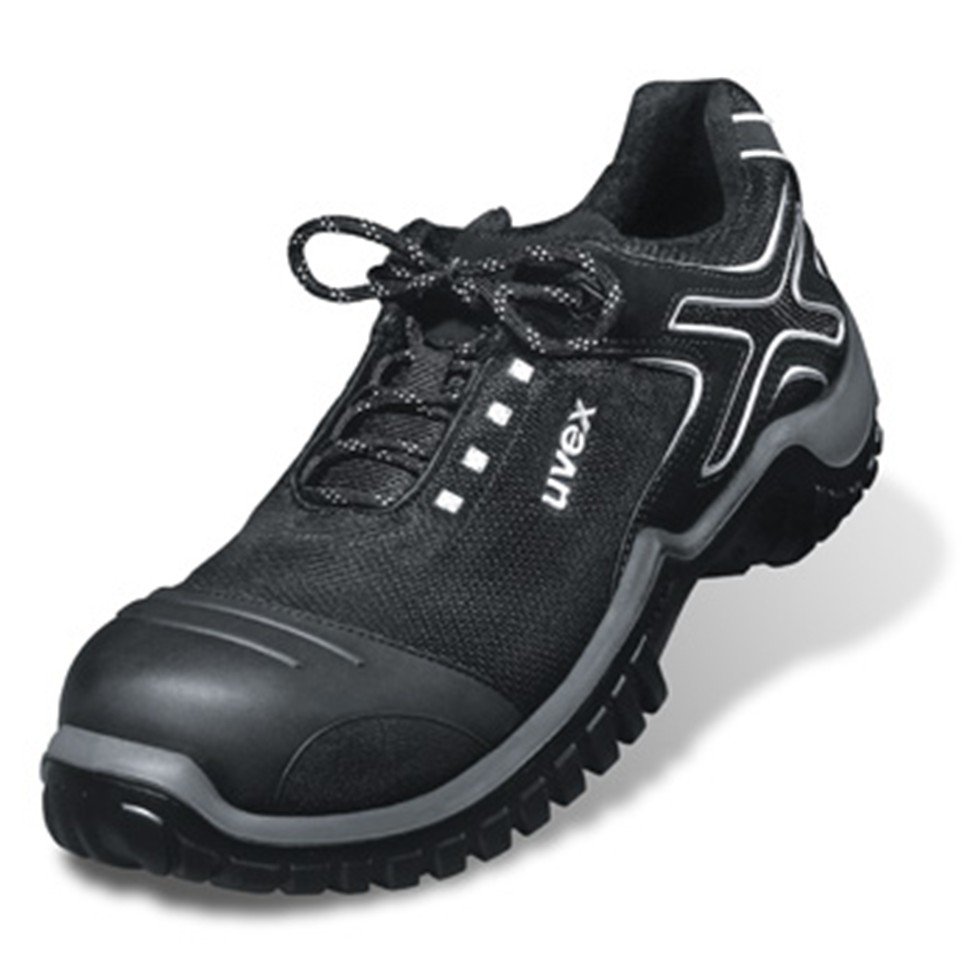
In 2013, a new generation of footwear for light-duty use was launched. Outstanding design was combined with the third-generation uvex xenova® plastic toe-cap technology. This marked the start of the widespread use of synthetic upper materials to conserve resources. And, for the first time, uvex introduced 3-component safety soles made from polyurethane and TPU.
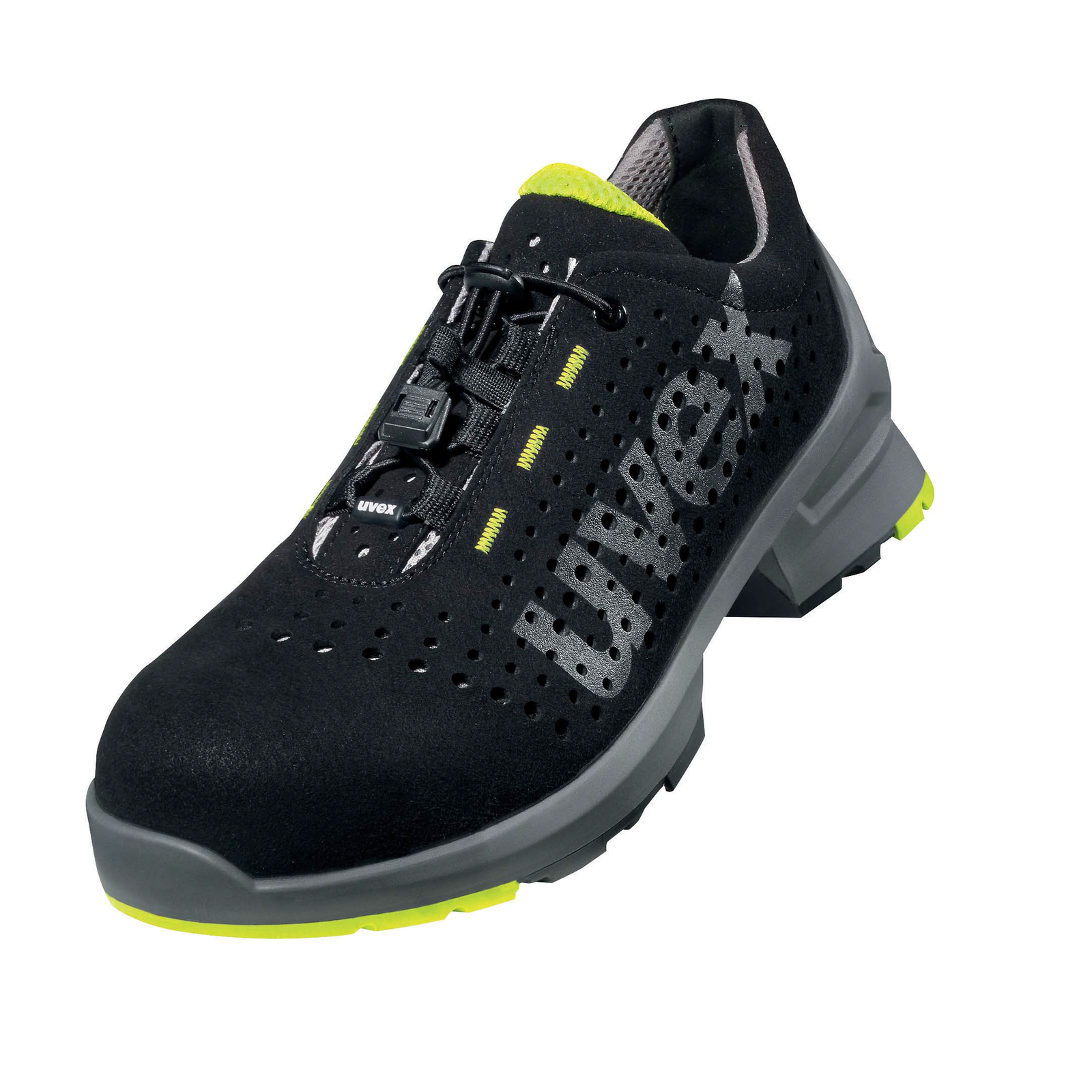
Among the special features of the uvex 1 G2 6846 was the introduction of the new generation of PU mid-soles, the uvex i-PUREnrj, featuring rebound and outstanding cushioning – robust and durable.
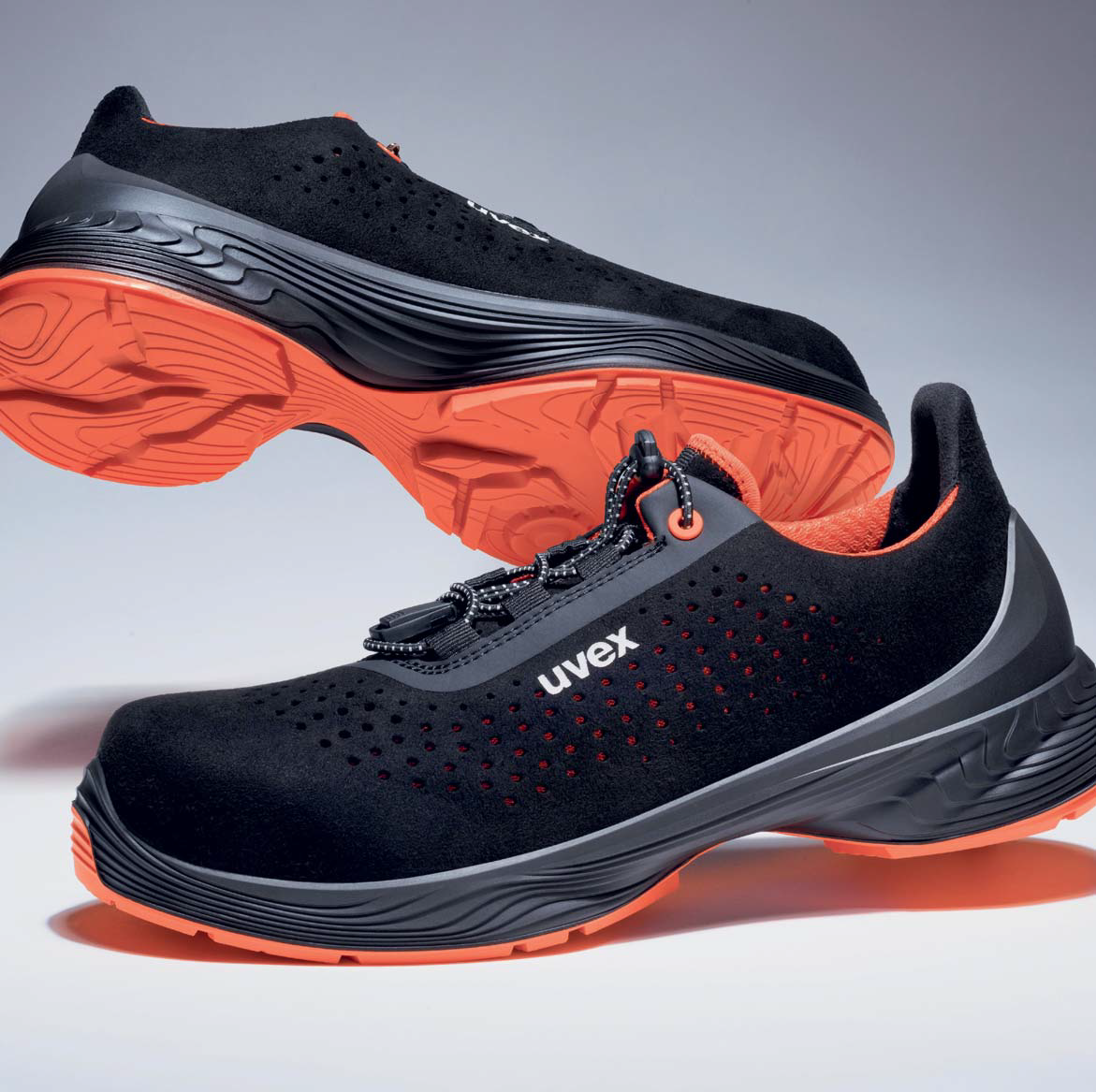
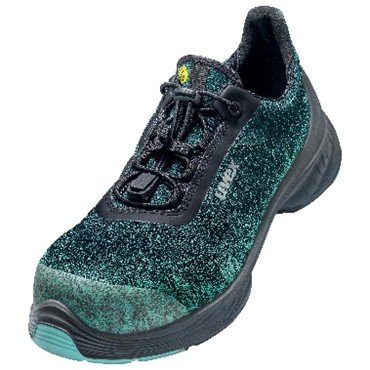
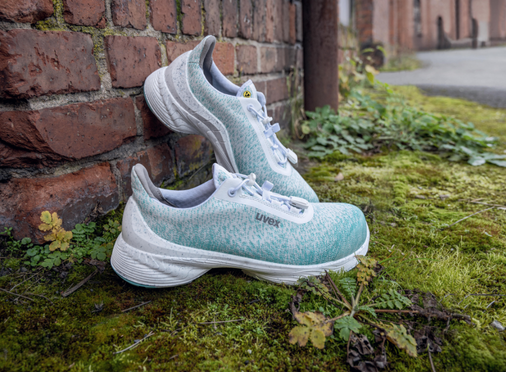
The uvex 1 G2 planet 6824 is uvex’s first sustainable safety shoe, containing just under 30 per cent recycled material. The stated aim is to further develop the entire uvex footwear collection so that each model contains at least one or more components made from recycled material.
A sporty design meets the uvex i-PUREnrj planet midsole. Safety shoes are now almost indistinguishable from sports shoes, and a great deal has also happened in terms of ergonomics over uvex’s more than 50-year history in footwear.
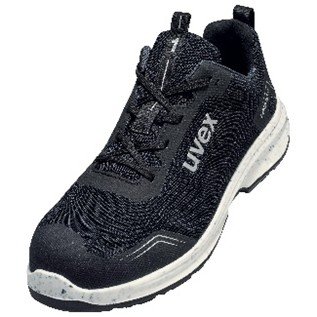
The particular strength of Heckel lies in the processing of rubber for pioneering sole technologies, using state-of-the-art manufacturing processes.
Safety shoes from Heckel prove themselves in steelworks, on ships and in mountainous terrain, as well as on large construction sites, in trades and in logistics. They are slip-resistant, withstand extreme conditions and feature an attractive design. Depending on requirements, Heckel safety shoes protect feet from injury and chemicals, as well as from heat, cold and moisture. Their soles are penetration-resistant, the toe areas are reinforced with steel caps – yet the shoes remain flexible and extremely comfortable to wear.
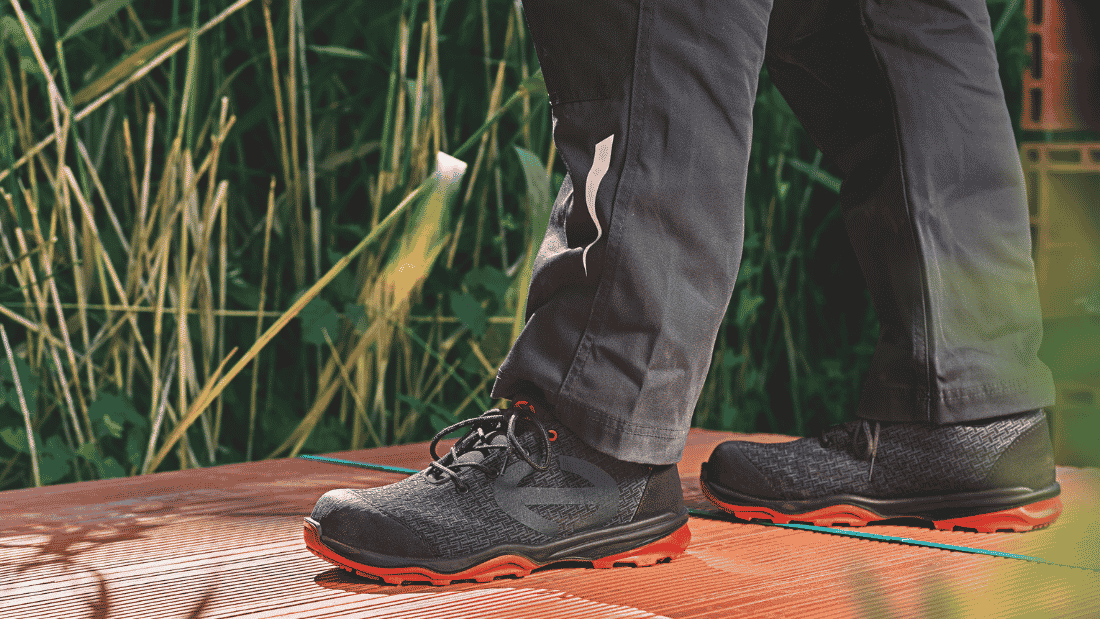
Joseph Heckel, founder of Heckel and a talented right winger, played for Racing Club de Strasbourg for three seasons (1945–1948). He also represented the French national football team at the 1948 Olympic Games in London.
As the son of a shoemaker, Joseph Heckel very quickly realised the many shortcomings of the football boots of the time, particularly their excessive stiffness. In 1945, football boots had a hard toe cap to improve players’ ability to strike the ball, and players frequently broke off their studs due to the hard ground.
Joseph Heckel consequently developed the first football boot with a soft toe and an initial design for screw-in studs. To market this revolutionary product, he teamed up with his former team-mate Oscar Heisserer: the 2H brand stood for ‘Heckel-Heisserer’.
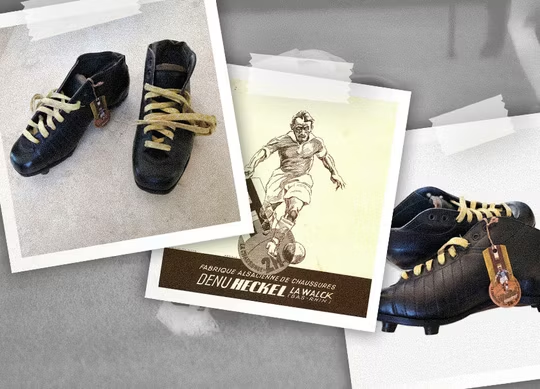
In the 1960s and 1970s, Joseph Heckel also developed the production of ski boots and motocross boots.
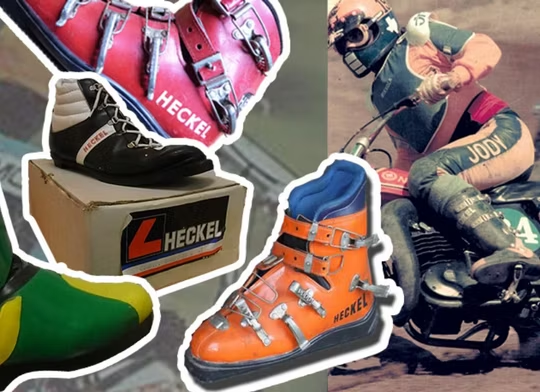
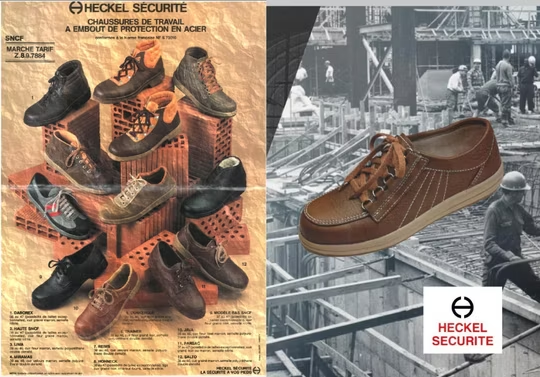
In light of developments in the personal protective equipment market and the rise of brands such as Adidas, Joseph Heckel decided to specialise in safety footwear and founded Heckel Sécurité in 1970.
Heckel continued to develop in the 1980s. Backed by a highly skilled workforce in La Walck, in the heart of Alsace, the Heckel brand offered an ever-wider range of safety footwear and, even back then, placed great emphasis on the continuous improvement of the safety, comfort and aesthetics of its models.
Heckel continues to expand its export business, particularly in Eastern Europe, Africa and the Middle East, largely thanks to its iconic MACSTOPAC model, of which 4 million pairs were sold worldwide between 1977 and 2018.
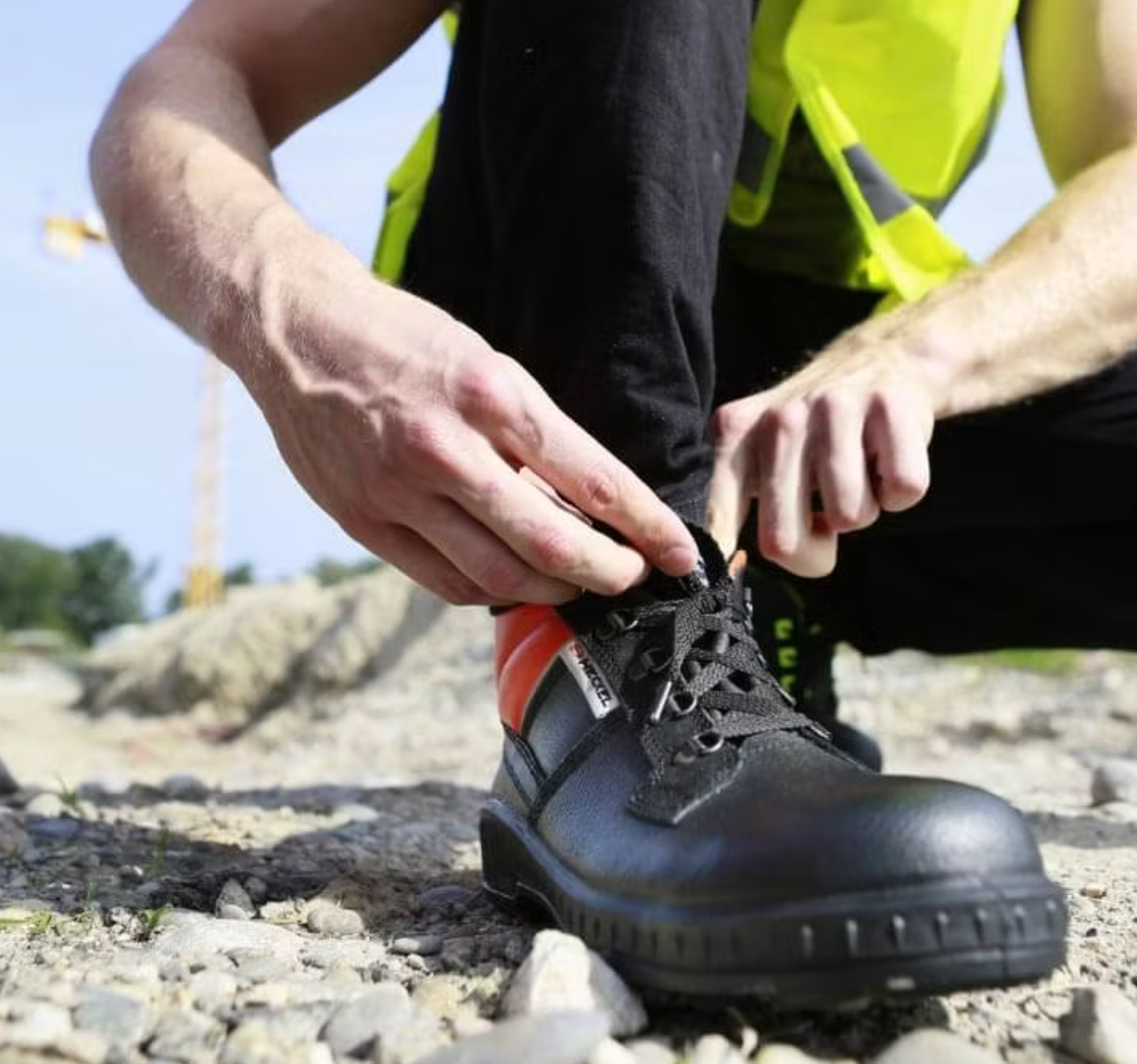
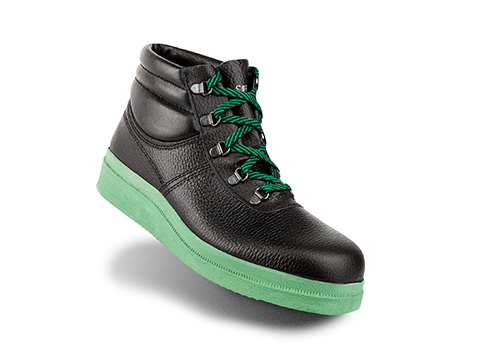
The “ASPHALT MASTER” was developed specifically for use on asphalt. The model was awarded the Innovation Prize at the Expoprotection trade fair. The NITEX outsole offers excellent thermal insulation and, thanks to its smooth surface, leaves no marks on freshly laid asphalt.
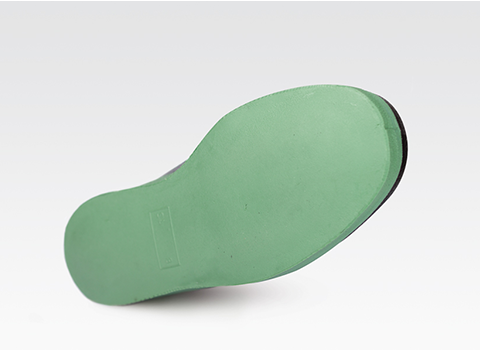
Drawing on many years of experience, Heckel developed its own rubber outsole technology in 2001: MACSOLE® technology. MACSOLE® soles are manufactured from exclusive nitrile rubber compounds and offer unrivalled grip and durability, even under the most extreme conditions.
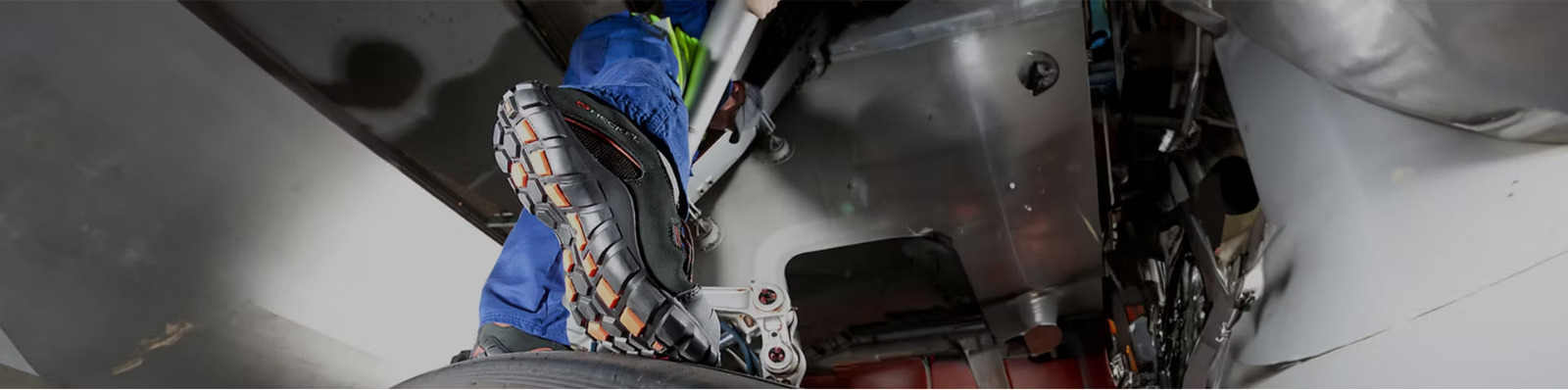
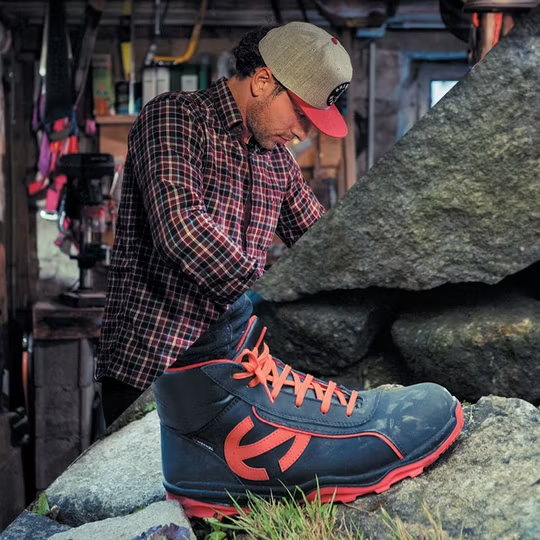
The RUN-R range, launched in 2014, is a perfect example of the new ‘Performance with Style’ positioning. The RUN-R safety shoes are lightweight and look great.